The Space
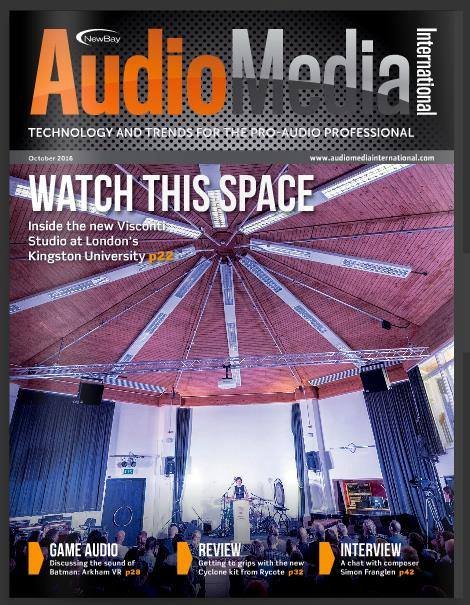
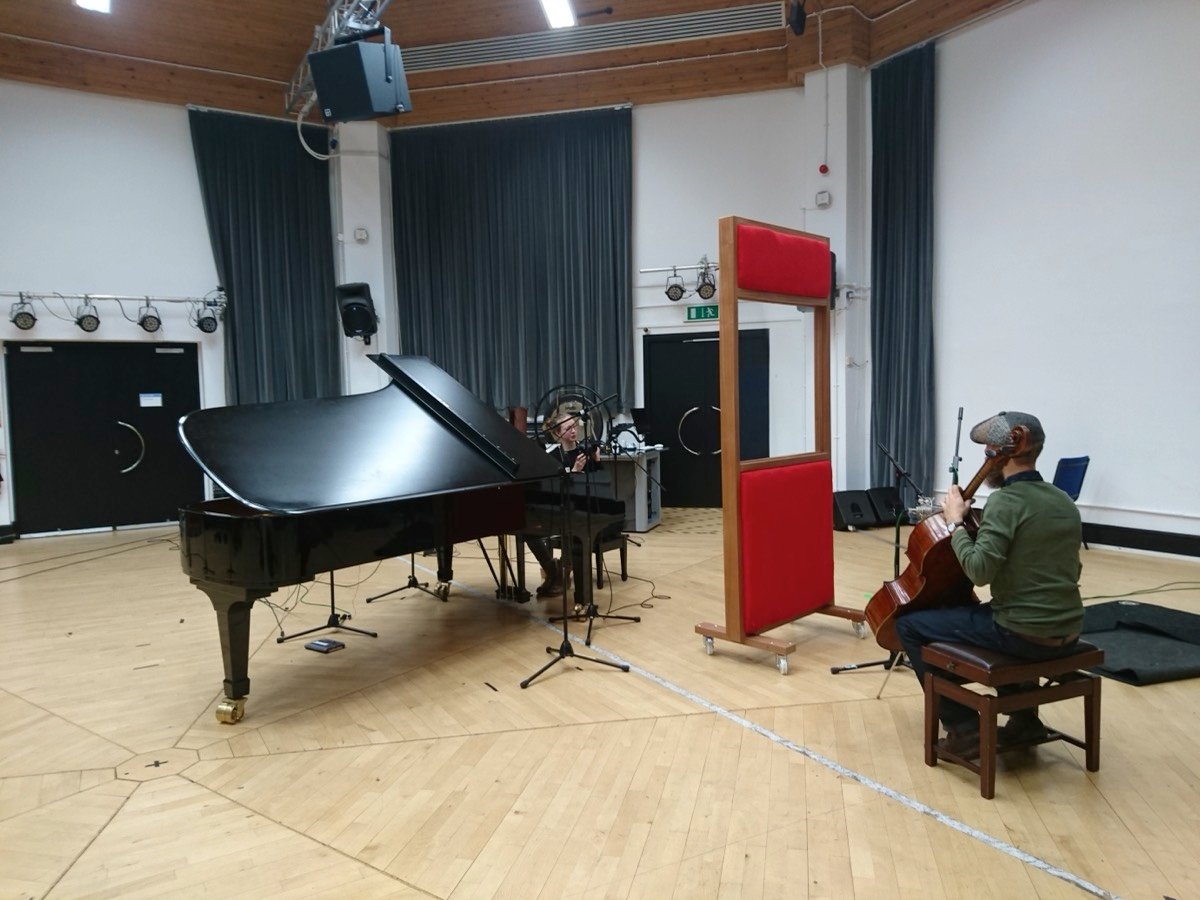
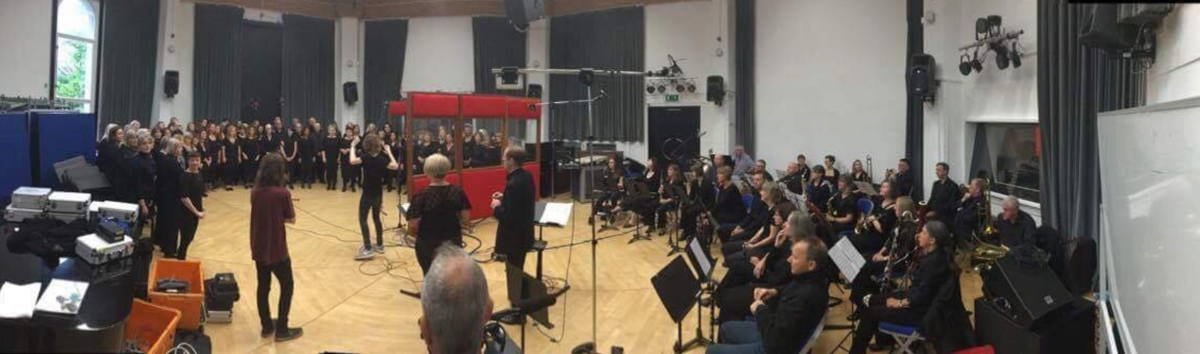
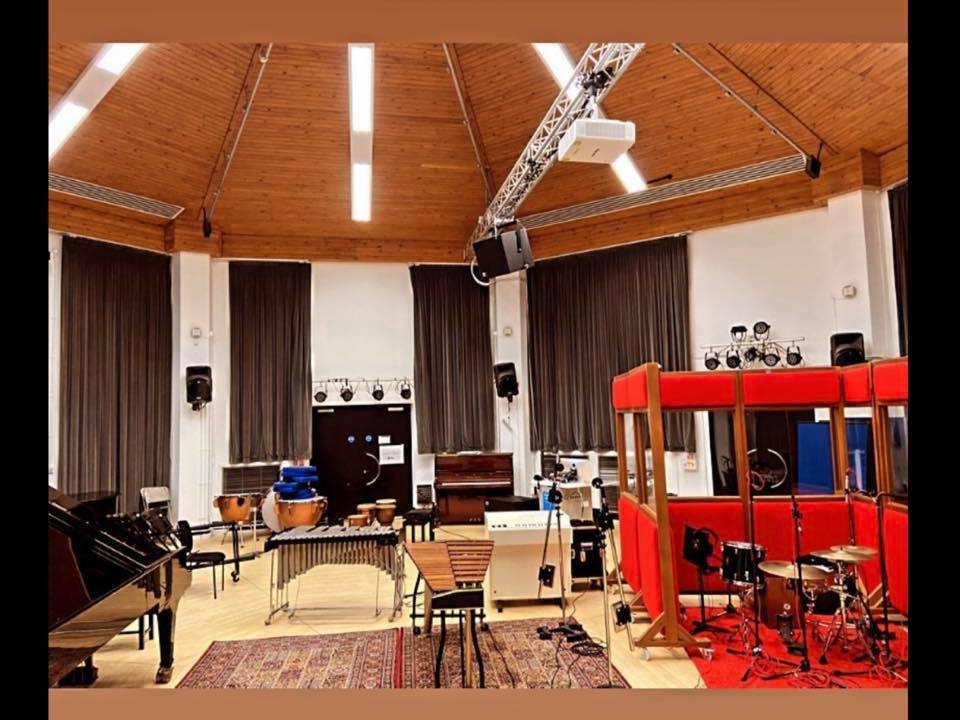
Visconti Studio is built around a 300m2 octagonal live room. The openness and scale of the room accommodate everything from rock bands and jazz ensembles to chamber groups and orchestral sessions. The geometry of the room produces a natural reverb that gives recordings a unique character that cannot be easily replicated with plugins or post-production.
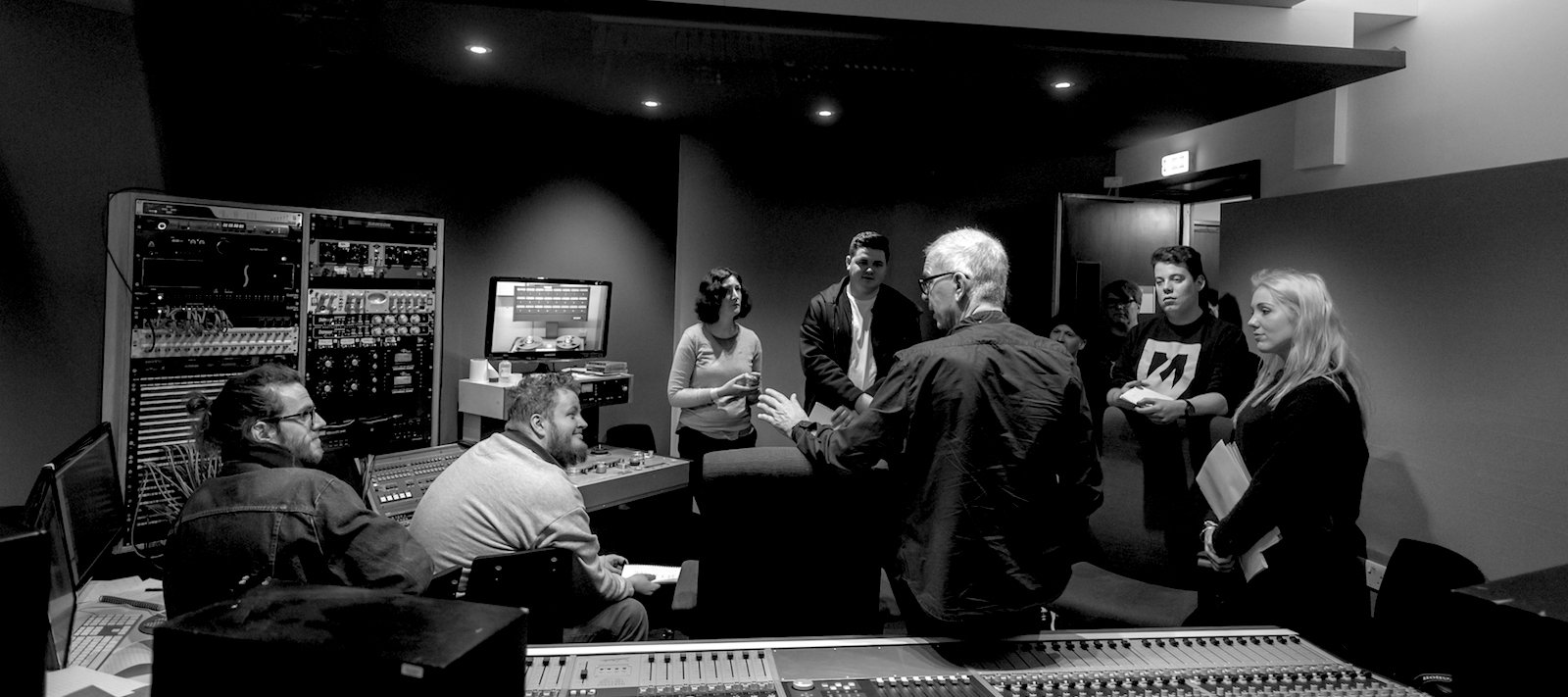
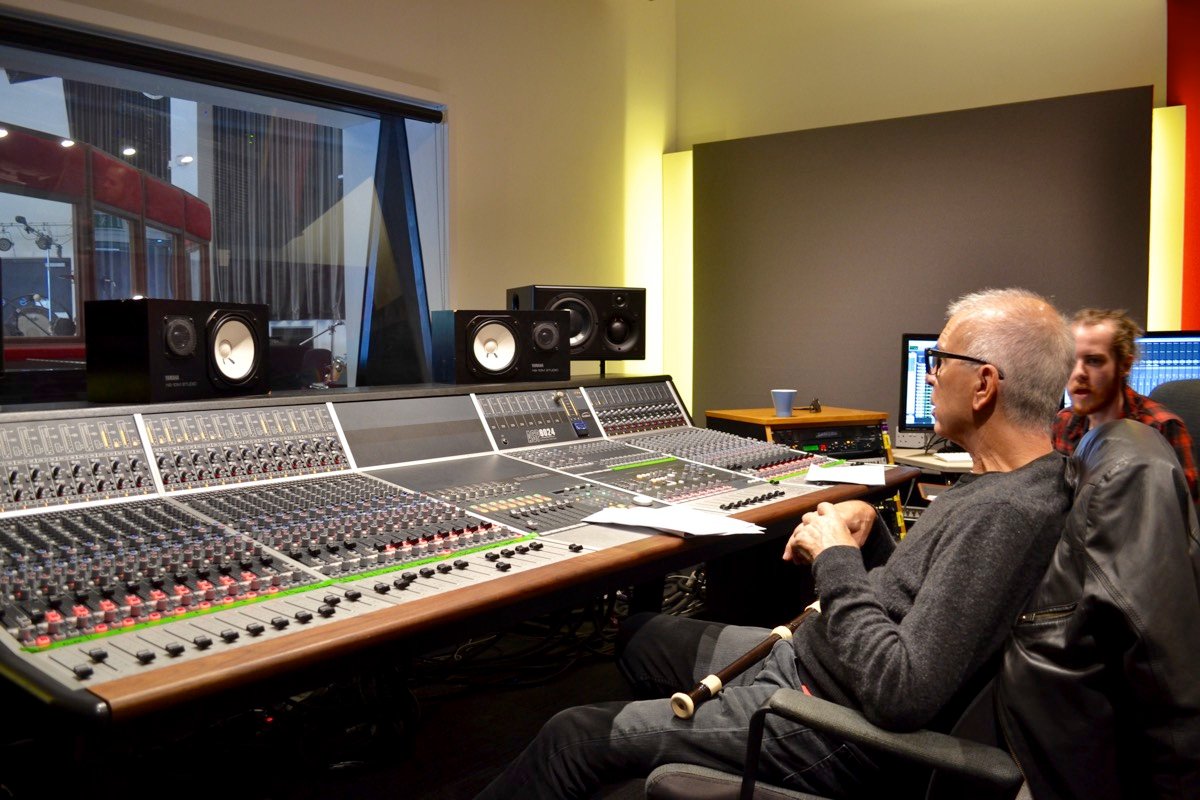
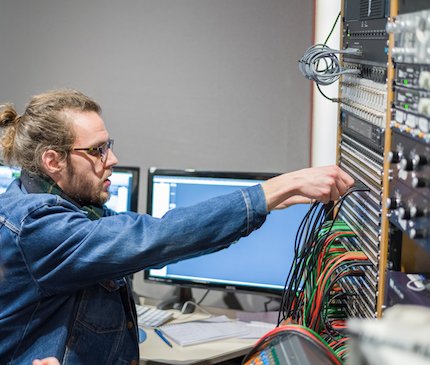
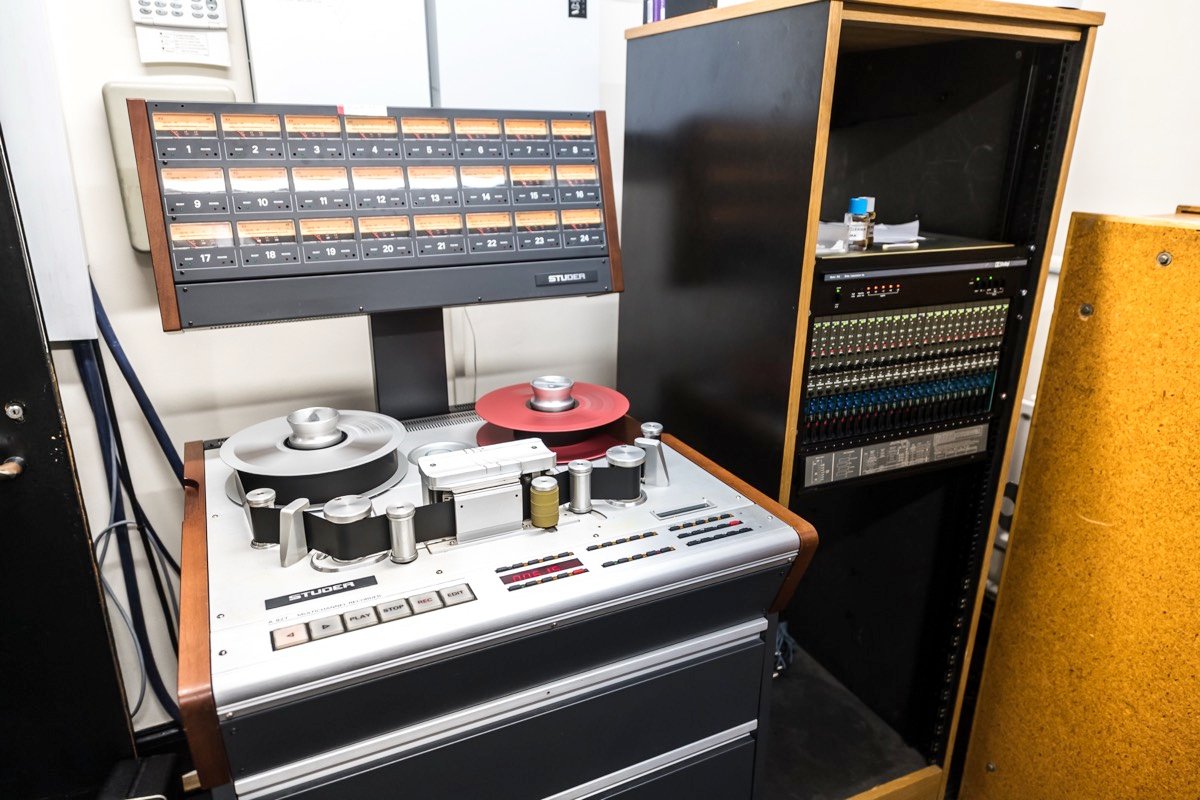
Adjacent to the live room are a professionally equipped control room and tape machine room, housing a hybrid analogue-digital recording setup built around an Audient ASP8024 Heritage Edition console, Pro Tools HD, and Studer tape machines. The studio is an ideal space for tracking, in addition to mixing and mastering across formats, from fully analogue tape sessions to high-resolution digital production.
Resources
The live room is home to a collection of instruments that would be at home in any major studio. Three grand pianos, including a Steinway Model D concert grand, sit alongside a vintage 1950s Hammond organ with Leslie speaker, a tape-based Mellotron, and a wide selection of orchestral percussion. All are available to artists recording at the studio.
The space works equally well for intimate sessions. A dedicated drum and vocal booth allows for isolated recording when the openness of the live room isn't what the session calls for.
The control room is built around an Audient ASP8024 Heritage Edition console, with tracking to Pro Tools HD and two Studer tape machines, an A827 2" 24-track and an A80 1/4" 2-track. Outboard processing includes Neve 1073 and API pre-amps, Universal Audio 1176 compressors, Empirical Labs Distressors, Manley Massive Passive EQ, an Eventide H9000 Harmonizer, a Roland Space Echo, and an EMT plate reverb, among others. The microphone collection spans classic and modern designs from Neumann, Coles, Shure, and Townsend Labs.
For a full equipment list or to ask about specific gear, please get in touch.
History
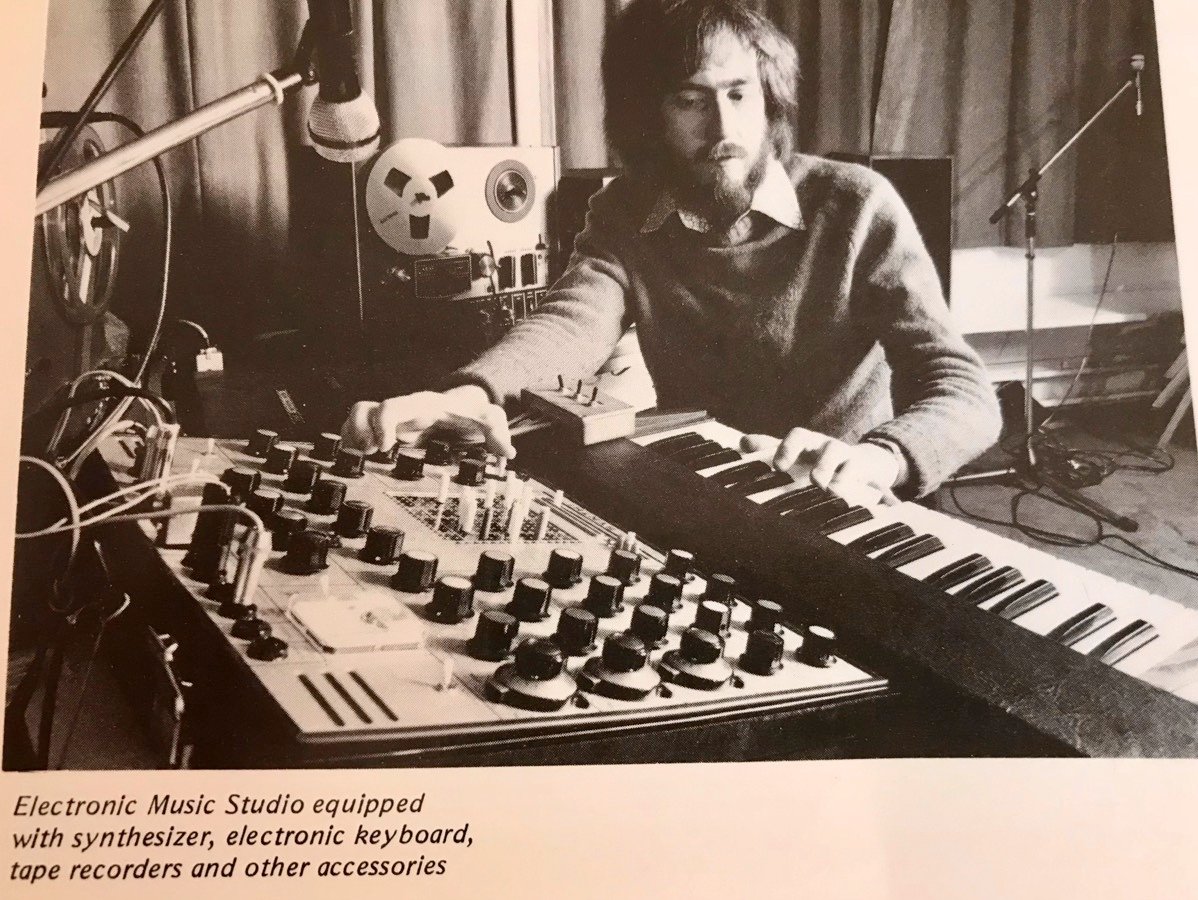
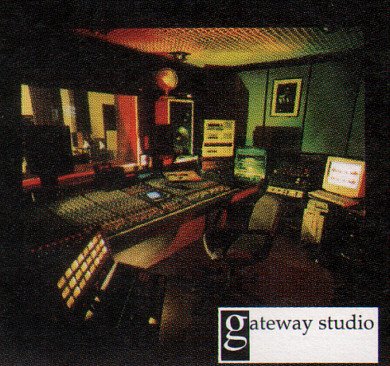
The octagonal live room was originally built by Kingston University as a performance and recording hall, and from the late 1980s it served as the home of the Gateway School of Recording, founded by David Ward. Gateway was the first independent music industry school in Europe, and Ward was a pioneer of hands-on audio education whose influence extended well beyond Kingston - he went on to found JAMES (Joint Audio Media Education Support), establishing industry-wide standards for music technology courses across the UK and beyond. Gateway operated from the Kingston Hill campus for nearly twenty years, with studios designed by Dave Harries, whose credits include Sir George Martin's Air Studios.
In 2016, the space was upgraded and relaunched as Visconti Studio through a partnership between Kingston University and Grammy-winning producer Tony Visconti, with acoustics redesigned by ADG (Acoustics Design Group). The facility was equipped with a hybrid analogue-digital recording setup reflecting Tony's commitment to both traditional and modern production methods.
Since opening, the studio has built a diverse recording catalogue and hosted some of the UK's most respected producers and engineers. Hill of Beans (2019) by Ralph McTell and Tony Visconti's Apollo 80 (2024) were produced here, alongside sessions for artists including Mary Epworth, Tom Speight, BISHI, and SOL Collective. Daniel Blumberg recorded part of his score for The World to Come at the studio - a project that won an Ivor Novello Award and preceded his Academy Award-winning score for The Brutalist. The studio's intensive Winterschool residencies have brought Chris Kimsey (Rolling Stones, Marillion), Pete Walsh (Scott Walker), and Chris Porter (George Michael) to the facility to work alongside students and researchers. The Kingston University Stylophone Orchestra has also recorded two albums on site.